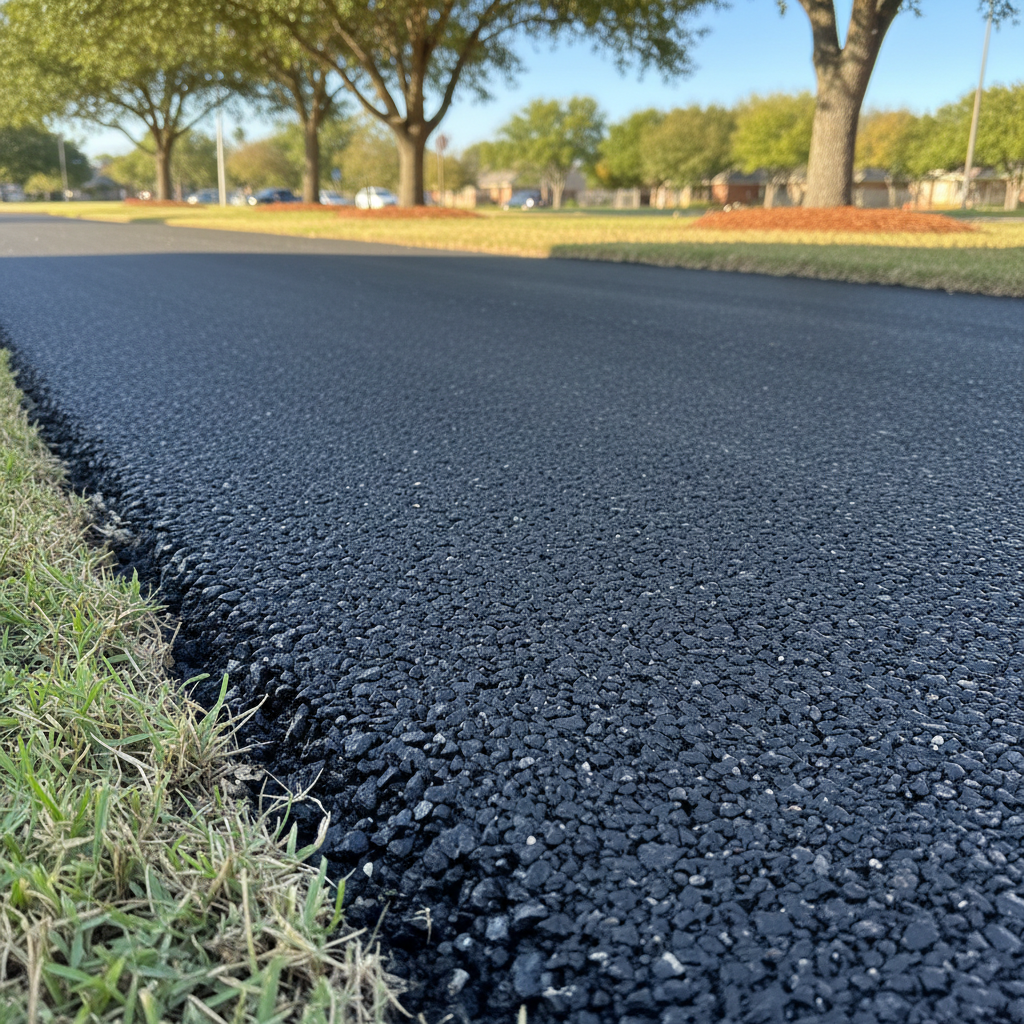
So, you're thinking about your driveway. Maybe it's cracked, crumbling, or you're just ready for a fresh look. Asphalt's a great choice for driveways, especially around here in Sugar Land where we deal with that crazy Texas heat and our unique soil conditions. But before you jump in, there's a lot to consider. Let's break it down.
Before the Project: Planning Your Asphalt Driveway
This is where you do your homework, and it's mostly stuff you can handle yourself. You need to figure out what you want and what you're dealing with.
- Assess the damage (if any): Is it just a few cracks? Potholes? Or is the whole thing failing? If you've got standing water after a rain, that's a big red flag.
- Measure it up: Grab a tape measure and get a rough idea of your driveway's size. This helps you get initial quotes and understand the scope.
- Think about drainage: This is huge, especially with our flat terrain and heavy downpours. Where does the water go now? Does it pool anywhere? A good asphalt driveway needs proper grading to shed water away from your house and foundation. You don't want water sitting on the asphalt, and you definitely don't want it running into your garage or under your house.
- Budget: Have a realistic idea of what you're willing to spend. New asphalt isn't cheap, but it's an investment that lasts decades if done right.
When it comes to deciding if it's a repair or a full replacement, that's often where you'll want a pro's eyes. I've seen folks try to patch over serious sub-base issues, and it's just throwing money away. If your driveway is old, has widespread cracking, or significant sinking, you're probably looking at a full tear-out and replace.
During the Project: What to Expect & What You Can Do
Alright, you've decided to move forward. This is where the heavy lifting happens, and honestly, for anything beyond a tiny patch, you're going to want to call in the pros. Asphalt paving isn't a DIY weekend project.
- Excavation and Grading: The old driveway (if there is one) gets ripped out. Then, the ground beneath is prepped. This means grading it correctly for drainage and compacting the sub-base. This is critical. If the sub-base isn't stable and properly sloped, your new asphalt won't last. We're talking heavy machinery here – excavators, graders, rollers. Not something you rent from Home Depot.
- Base Layer: A layer of crushed aggregate (like limestone or recycled concrete) goes down next. This provides a strong, stable foundation. It gets compacted super tight.
- Asphalt Application: Hot asphalt mix is delivered by truck and then spread evenly by a paving machine. This stuff is hot, like 300 degrees Fahrenheit. Then, heavy rollers compact it down to the right thickness. This needs to be done quickly and expertly before the asphalt cools too much.
- Curing: Once the asphalt is down, it needs time to cure. You can't drive on it right away. Usually, it's a few days before light traffic and a week or more for heavy vehicles.
What can you do during this stage? Mostly, you're supervising and asking questions. Make sure the crew is addressing your drainage concerns. Check that the edges look clean and the thickness seems consistent. A good contractor, like us at Primetime Paving, will walk you through the steps and answer any questions you have.
After the Project: Maintenance and Longevity
You've got a beautiful new asphalt driveway. Now you want to keep it that way. This is where you can definitely get involved with some DIY, but also know when to call us back.
- Keep it Clean: Sweep off dirt, leaves, and debris regularly. Don't let oil or gas spills sit – clean them up immediately with an absorbent material and then a mild detergent. Those chemicals can break down the asphalt binder.
- Sealcoating: This is your first line of defense. A good sealcoat protects the asphalt from UV rays, water penetration, and everyday wear. For a new driveway, you'll typically want to wait 6-12 months for the asphalt to fully cure before the first sealcoat. After that, every 2-3 years is a good general rule, especially with our intense sun here in Sugar Land. You can buy sealcoat at hardware stores, but applying it evenly and correctly over a large area is harder than it looks. For a professional finish that truly protects, I'd recommend having us do it.
- Crack Repair: Small cracks will happen over time. That's just how asphalt works. Catch them early! You can buy crack filler at hardware stores. Clean out the crack thoroughly, then apply the filler according to the directions. Don't let small cracks turn into big potholes.
- Edge Protection: If your driveway doesn't have concrete curbs, the edges can be vulnerable to crumbling. Consider adding some landscaping or even small timber borders to protect them.
- Avoid Heavy Loads: Try not to park heavy RVs or equipment on your driveway for extended periods, especially when it's new or during very hot weather. The asphalt can soften and rut.
Look, a well-installed and maintained asphalt driveway can easily last 20-30 years. It's all about that initial quality installation and then staying on top of the maintenance. Don't ignore those small cracks, and don't skip the sealcoating. It's like anything else; a little preventative care goes a long way. If you've got questions about your driveway, or you're ready for a quote, give us a call. We're happy to help you figure out the best plan for your Sugar Land home.