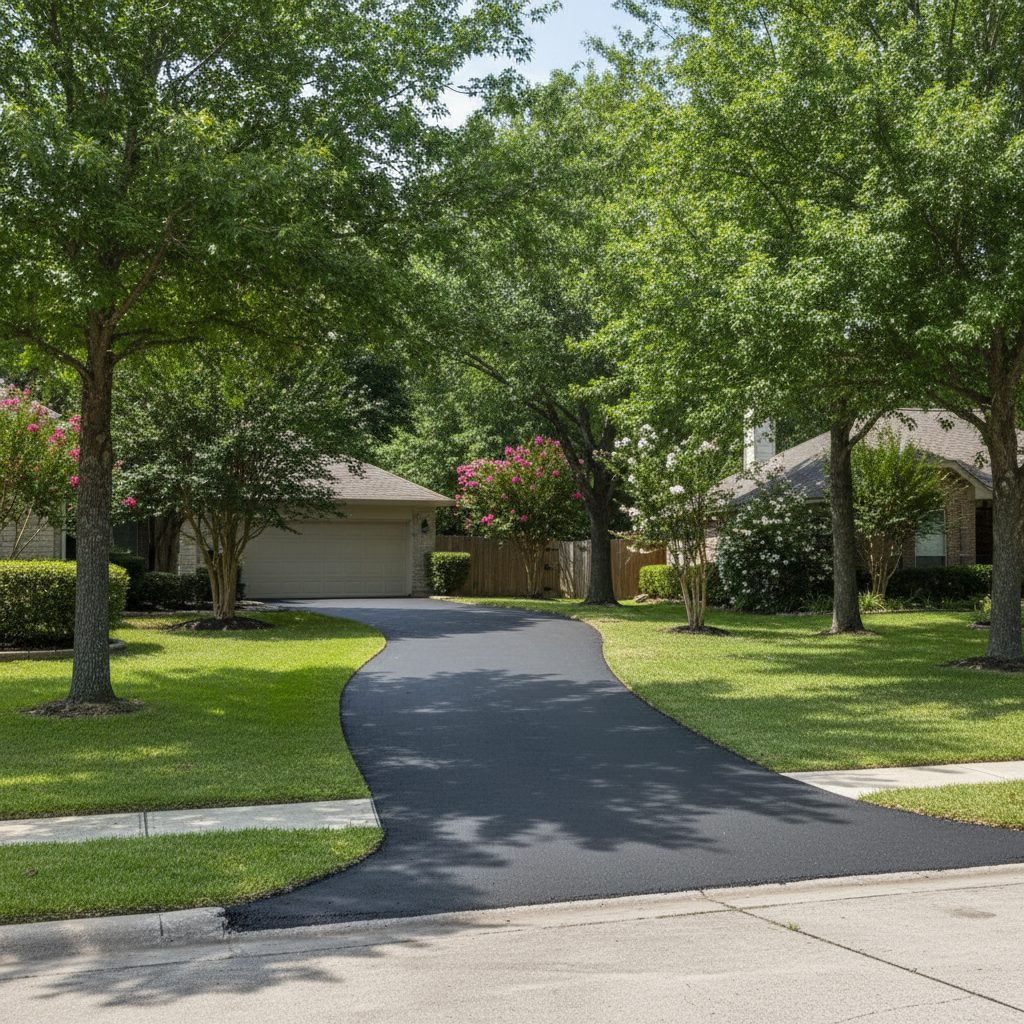
You've invested in asphalt paving, whether it's your driveway, parking lot, or a private road. Now, how do you make sure that investment pays off for years to come? It's not rocket science, but there are some key things you need to do, especially with our unique Texas climate. I've seen plenty of asphalt jobs around Sugar Land, from the older homes in Sugar Creek to the newer developments out by Riverstone, and I can tell you, good maintenance makes all the difference.
Extend Your Asphalt's Life: It's Easier Than You Think
The biggest thing you can do to extend the life of your asphalt is to protect it from the elements and heavy use. Think of it like taking care of your car; a little preventative work goes a long way. Here in Sugar Land, we get some brutal sun, heavy rains, and that famous expansive clay soil. All these factors put stress on your pavement.
- Sealcoating: This is your asphalt's sunscreen and rain jacket. A good sealcoat every 2-3 years, depending on traffic and sun exposure, protects the asphalt binder from UV rays and water penetration. It also gives it a fresh, black look. Don't skip this.
- Drainage is King: Water is asphalt's worst enemy. Make sure water isn't pooling on your pavement. If you've got standing water, even small puddles, after a rain, that water is seeping into the base layer and weakening it. Clear out any debris from drains and make sure your landscape isn't directing water onto the asphalt.
- Watch the Weight: Heavy vehicles, especially parked for long periods, can cause depressions and cracks. If you've got a heavy RV or commercial truck, try to distribute its weight or park it on a dedicated, reinforced spot if possible.
Regular Maintenance: Your Pavement's Check-Up
This isn't about major repairs; it's about catching small issues before they become big, expensive headaches. You don't need to be an expert to spot these things.
- Sweep and Clean: Keep your asphalt free of dirt, leaves, and debris. Organic matter can hold moisture against the surface, and sharp gravel can wear it down. A good sweep or power wash a couple of times a year is usually enough.
- Oil and Chemical Spills: Gasoline, oil, and other chemicals are really bad for asphalt. They break down the binder, making the pavement soft and crumbly. Clean up any spills immediately with an absorbent material and then wash the area with soap and water.
- Edge Care: The edges of your asphalt are often the most vulnerable. Make sure they're not getting undercut by erosion or damaged by vehicles driving off the edge. If you see crumbling at the edges, it's a sign of a problem.
Warning Signs: When to Pay Closer Attention
Your asphalt will tell you when it's hurting. You just need to know what to look for. These aren't just cosmetic issues; they're indicators of underlying problems that will only get worse.
- Cracks: You'll see different types. Hairline cracks are normal as asphalt ages, but if they start widening or connecting, that's a red flag. Alligator cracking (looks like alligator skin) means the base layer is failing, and that's serious. Longitudinal cracks (running parallel to the direction of traffic) or transverse cracks (running perpendicular) can indicate stress or movement in the subgrade.
- Potholes: These start small, often from a crack that lets water in, freezes (not often here, but it happens sometimes in winter), and then expands. Once you see a pothole, it needs to be fixed. They grow fast.
- Fading and Discoloration: If your asphalt is looking gray instead of black, it means the binder is oxidizing and losing its flexibility. This makes it more prone to cracking.
- Raveling: This is when the aggregate (the small stones) starts coming loose from the surface. It often happens with older asphalt that's lost its binder.
- Depressions or Rutting: If you see dips or channels forming where vehicles drive, it means the asphalt or the base layer beneath it is compacting or shifting.
When to Call a Professional: Don't DIY Everything
For small, isolated cracks, you might be able to use an asphalt crack filler yourself. But honestly, for anything beyond that, you're better off calling in a professional. Trying to fix a pothole or extensive cracking yourself often leads to a temporary patch that fails quickly, costing you more in the long run.
You should definitely call Primetime Paving if you see:
- Extensive alligator cracking
- Multiple potholes that are growing fast
- Significant rutting or depressions
- Large areas of raveling
- Any issue where water isn't draining properly and is pooling on the surface
We can assess the situation, figure out the root cause, and recommend the right solution, whether it's crack sealing, patching, or even an overlay. Catching these problems early can save you from needing a full replacement down the road. It's all about being proactive and understanding what your pavement needs to stay strong under that Sugar Land sun and rain.